
“Cross-dressing is the fantasy of the possible, and war is the opposite.” This line comes from La Bola Negra, and today I’m writing about why you need to watch it at the cinema, following its US release last Friday through Netflix. I watched it in Spain a couple of weeks ago, and I can’t stop thinking about it.
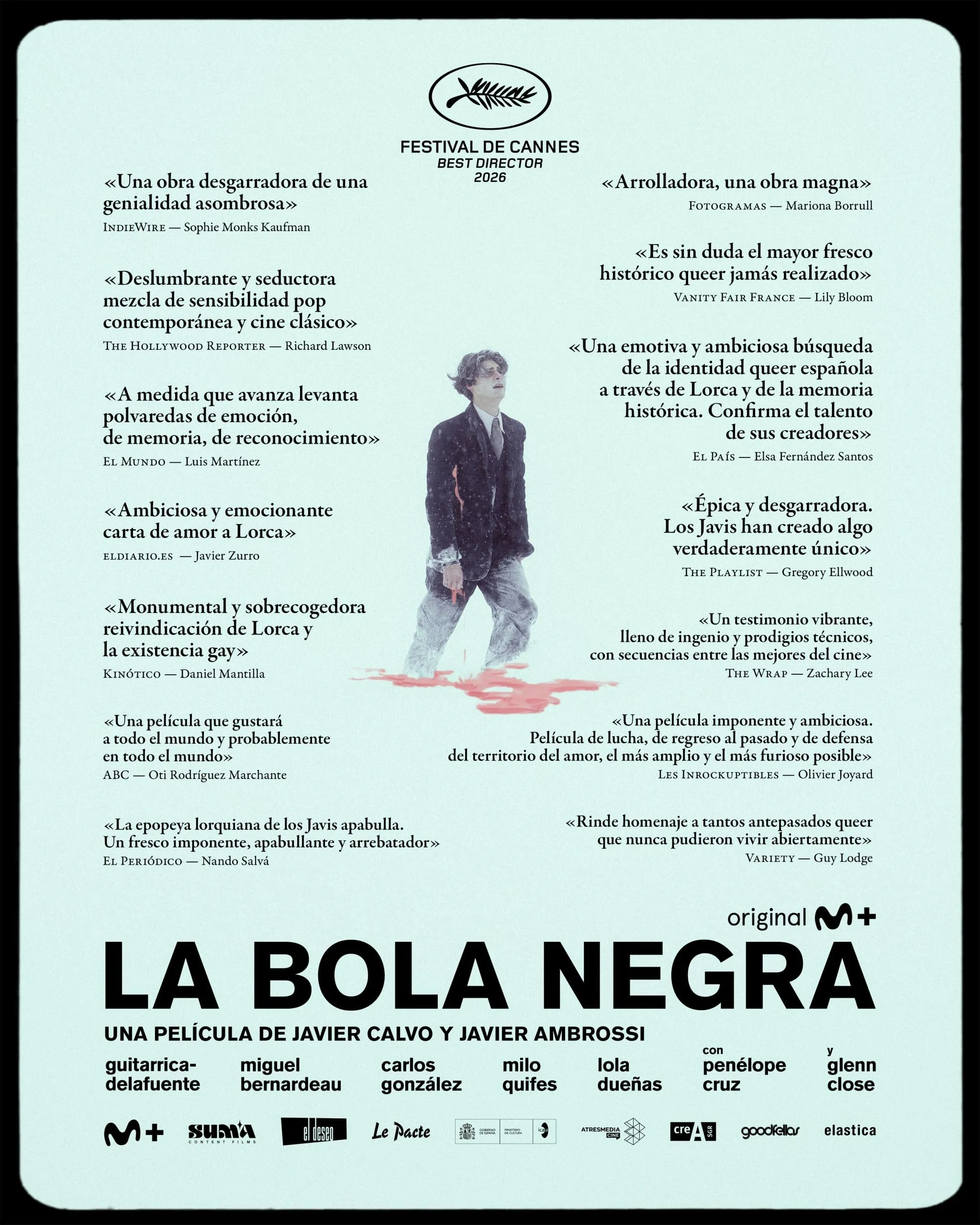
There have been plenty of gay films and plenty of films about wars. This one has both, but that’s not really what it’s about. It’s about identity, rejection and repression. It doesn’t have a happy ending, just as the Spanish Civil War didn’t, and neither do the stories of millions of queer people today. But it shows the consequences of all this, and what you miss out on when you deny your own identity: life.
It’s a war film, but it doesn’t glorify war or try to stir up the patriotism we so often see in American films. Quite the opposite: it shows tragedy and is profoundly anti-war.
If I could only go to the cinema to watch one film this year, this would be it.
Identity, rejection and repression
The story follows three gay men at three moments in Spain’s history: the Second Republic, the Civil War and twenty-first-century Spain. A Spain with LGBTI rights and freedoms that still carries the intergenerational trauma of a civil war that tore the country apart 90 years ago, with wounds that have never healed and are still very present today.
There have been plenty of films telling smaller, more isolated gay stories, like Call Me by Your Name or Brokeback Mountain. But this is the first major production on this scale with deeply queer themes. What I find so powerful is how it connects those three lives through the same social rejection, even though decades separate them.
The black ball symbolises that rejection. At the casino in Granada in 1932, members decide whether to accept a new member by voting with a white ball or a black ball. That rejection takes other forms in 1937, with a character who spends his life running from his identity, and reaches 2017, with another who, despite being free, still carries the wounds of the past.
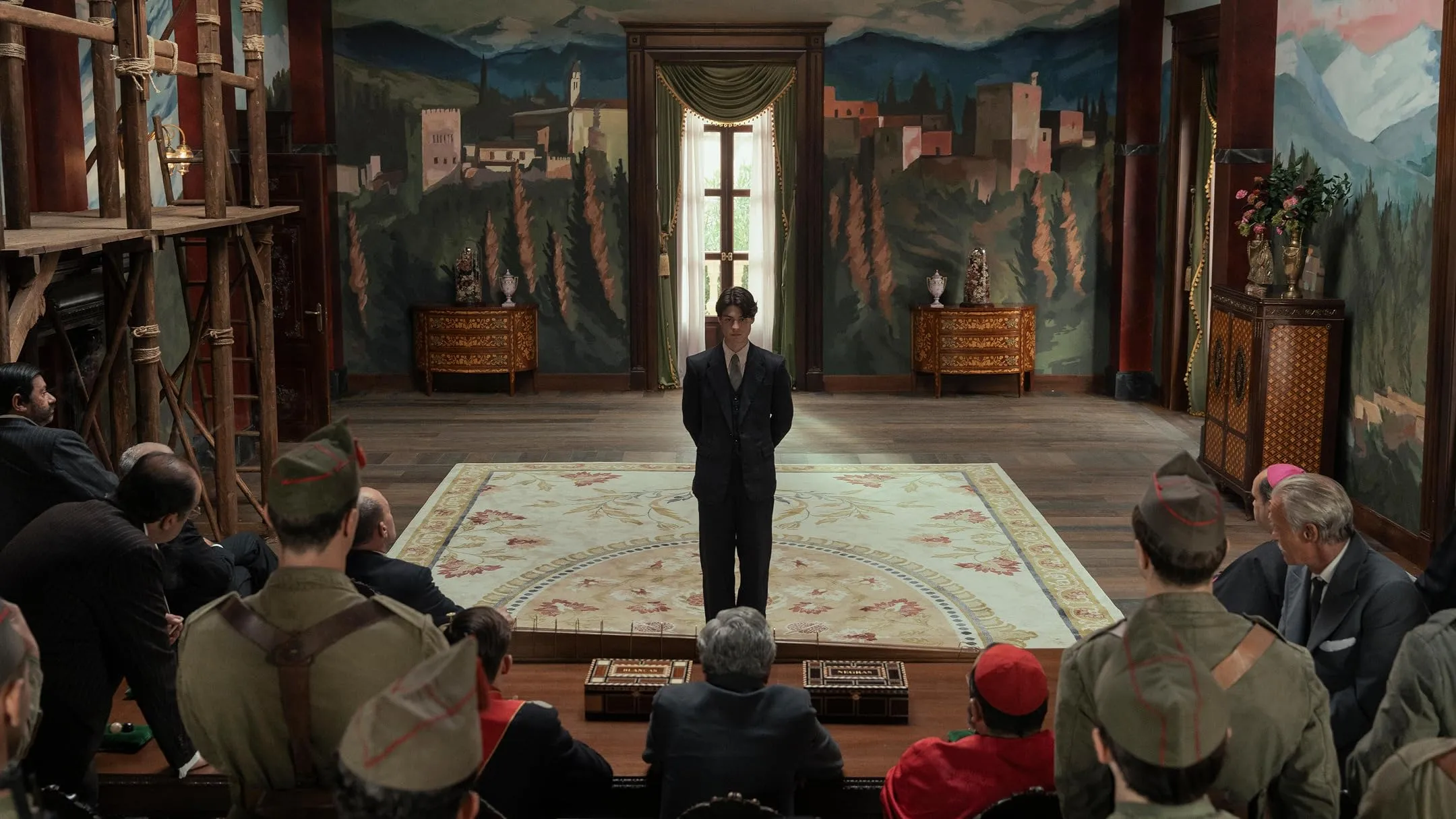
That’s what I find so powerful: rights and freedoms don’t automatically erase everything that came before. You can live in a much freer society and still carry that fear, that rejection, that silence.
Intergenerational trauma
I think the film connects the rejection of queer people with the Spanish Civil War incredibly well, because both stories are shaped by repression.
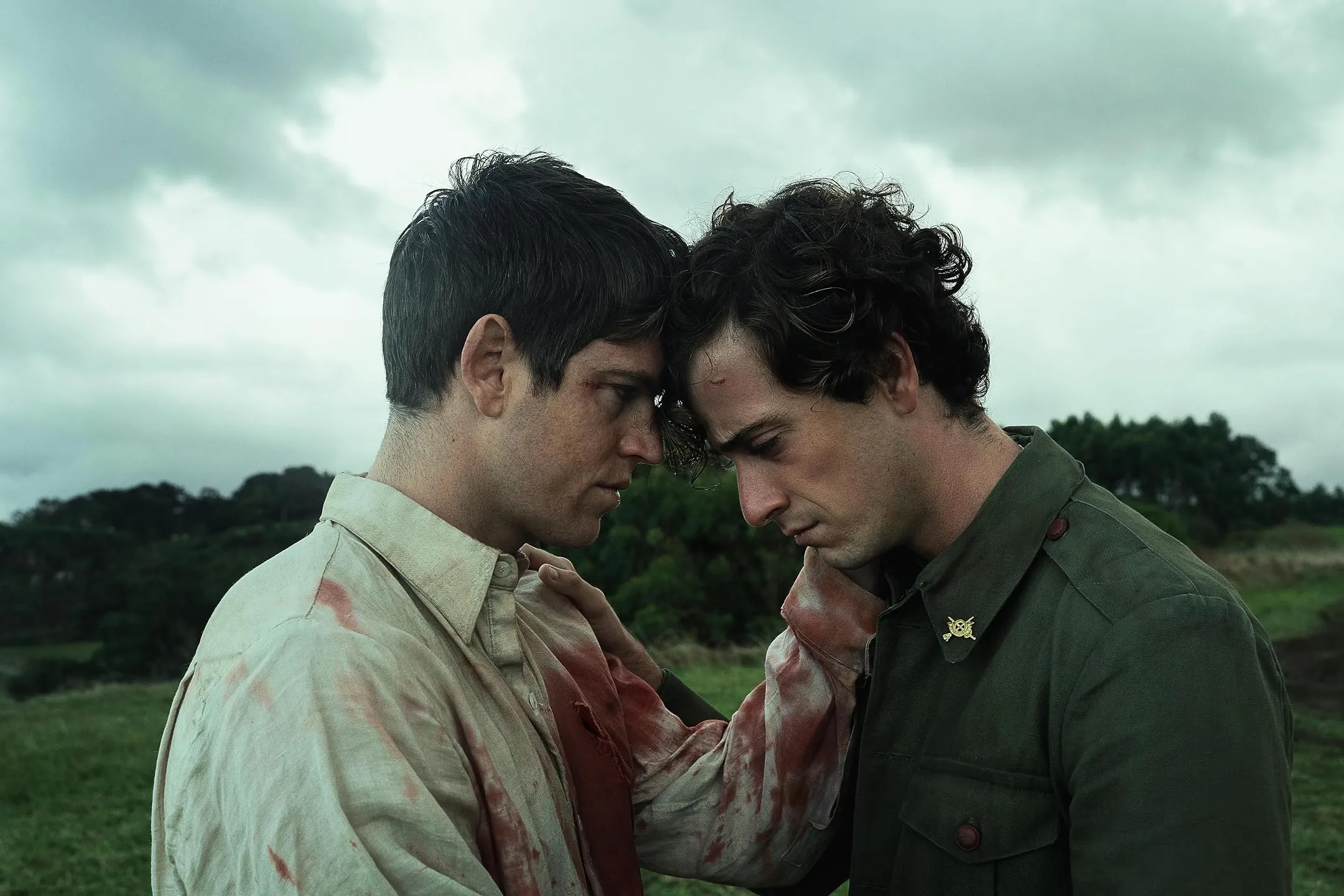
Let’s remember that the Spanish Civil War began in July 1936, after rebel military officers backed by fascist and monarchist forces refused to accept the results of the democratic elections of February 1936 and launched a military uprising against the legitimate, democratically elected, left-wing government of the Second Republic. Three years later, the rebels took control of the country. Military aid from Nazi Germany and Fascist Italy was fundamental to their victory, while the United Kingdom and France (supposed allies of the Spanish government) hid behind non-intervention agreements to avoid helping the Republic. And the United States didn’t help the republican government either. The same countries that take all the credit when we talk about freeing Europe from fascism. Well, they forgot about Spain.
Then came forty years of dictatorship and repression. And silence. People couldn’t talk about what had happened, not even within their own families. Because the fascists had won, and it was dangerous.
This hits close to home. My grandfather’s father was executed by the Nationalist rebels in Sádaba, Aragón. My grandfather knew who had killed his father, but he couldn’t do anything because the Nationalists had won the war. He never spoke about it, not even with my family.
There are so many stories like this in Spain. Tragedies that didn’t just happen, but were silenced for generations. I think the film connects that silence with the repression of queer identity really well, with everything you can’t say and everything you learn to hide.
And then there’s Lorca. One of our country’s greatest poets, murdered by the rebels at the beginning of the Civil War for being openly gay. I feel like Spain has never quite recovered from that shock. His death carries enormous symbolic weight, a ghost that still haunts us ninety years later.
Internationally, the Spanish Civil War tends to sit in the shadow of the Second World War. But it was a prelude to so much of what followed. And when I look at today’s polarisation, it doesn’t feel like such a distant story. Although much of the film takes place almost a century ago, its themes remain incredibly relevant.
A film full of art and awards
La Bola Negra is theatre, cinema, photography, painting and sound. It takes all those arts to a level I find stratospheric. And its ambition is enormous, it manages to compete on the biggest stage and reach far beyond the indie cult circuit.
One of its leads, Guitarricadelafuente, who plays Sebastián in 1937, also created the soundtrack alongside Raül Refree. “La Nieve” is one of the most emotionally powerful original songs ever written for a film, but the rest of Raül Refree’s soundtrack is incredible too.
It will sweep the Goyas in Spain, but also the awards in the US, where I think it could easily pick up 10 nominations at the Oscars. It’s very likely to win Best Picture or Best Director against Christopher Nolan’s The Odyssey, which will be its only rival. It has already won Best Director at Cannes and the People’s Choice Award at TIFF, and anyone who has watched it recognises it as a masterpiece and a piece of cinema history.
You can really tell it’s a European and Spanish film. The emotional intensity is immense. It combines the epic and the dramatic with costumbrismo, a genre rooted in everyday life and local customs that’s very common in Spain and less so in Hollywood. The directors, Javier Ambrossi and Javier Calvo (also known as Los Javis), have plenty of experience with this through productions like Paquita Salas, and I think they incorporate it into La Bola Negra really well, especially in the 2017 story.
Javier Ambrossi and Javier Calvo feel like a breath of fresh air in world cinema. Two young, gay Spanish men who want to make big films in Spanish. Who have that ambition and don’t even translate the title: it’s called La Bola Negra.
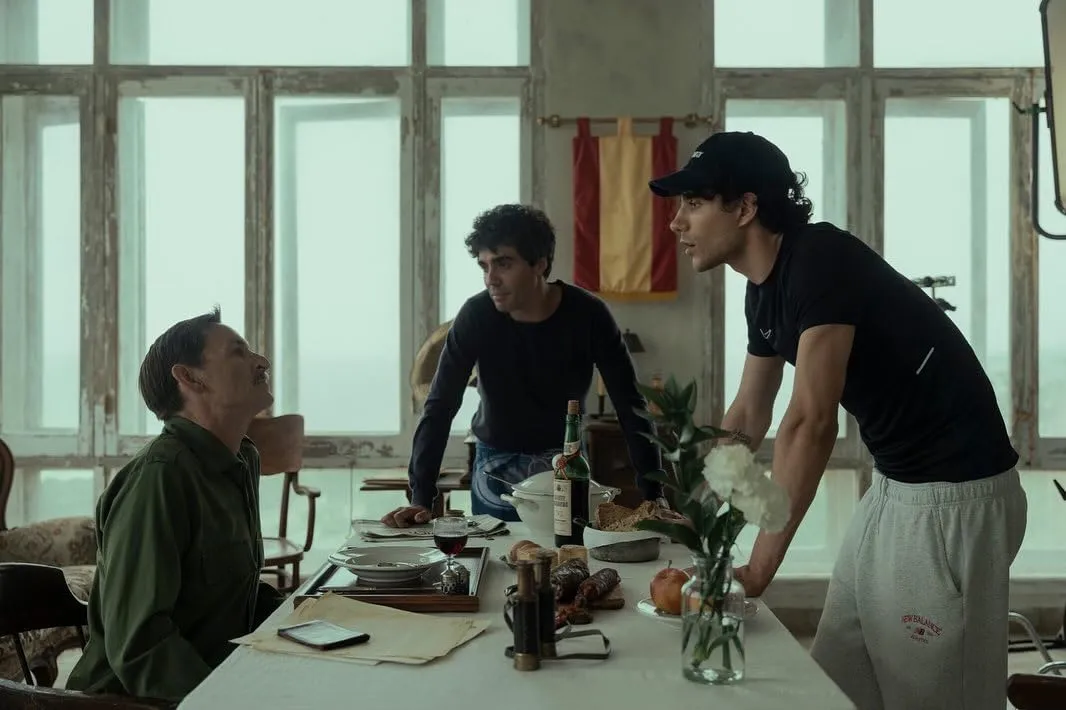
Their relationship with Lorca goes back further, too. In the third season of Paquita Salas, there’s an episode full of references to The House of Bernarda Alba. A comedy episode built around a play by Lorca.
Now the challenge is even bigger: taking an unfinished play and imagining how it could continue. I won’t say any more, but making a film from that material is tremendously ambitious.
It’s also worth mentioning that it was shot on 35mm and everything is real, with no special effects added in post-production. Making a film like this, in the age of post-production and AI, takes a level of craftsmanship that makes it truly special.
The cast is incredible too, from first-time actors like Guitarricadelafuente and Milo Quifes to Hollywood stars like Penélope Cruz and Glenn Close, who personally wrote to Los Javis asking to appear in the film after watching La Mesías:
Other recommendations
If you enjoyed La Bola Negra and want to watch more from Los Javis, these are my recommendations:
- Paquita Salas: Spain’s most popular comedy and without a doubt my favourite. Like The Office, but queer. I watched it again with my American boyfriend, and he loved it.
- La Mesías: a devastating drama based on a true story about a socially excluded family in the Catalan Pyrenees, a mother who starts a cult, and how that childhood affects her children as adults.
- La Veneno: based on a true story, it shows how fame doesn’t erase a trans woman’s marginalisation, and what happens when television no longer needs her. I loved it, but it’s the hardest to watch of the three.
And if you want to stay with the subject of the Spanish Civil War, I also recommend La península de las casas vacías, by David Uclés. It tells how the war tears apart a farming family in an Andalusian village. It’s been my favourite book of 2026.
Have you watched it yet? What did you think? You can share your thoughts with me on Bluesky or email me at marina@marinaaisa.com.
La Bola Negra opened in US cinemas on 16 October and will open in the UK on 6 November.